“When is the best time to go on safari?” There is no single answer. Somewhere in Africa, every month of the year is someone’s favourite.
The real question is what matters most to you. It might be the drama of the Great Migration, the ease of dry-season game viewing, the green landscapes and newborn animals of the rains, or simply fewer vehicles and better value. Once you know that, the right place and time almost choose themselves.
This guide walks through the year season by season, then matches the best options to different kinds of travellers.
Africa at a glance
| Destination | Peak months | Great-value months | Known for |
|---|---|---|---|
| Botswana (Okavango, Chobe, Linyanti) | Jun – Oct | Nov – Apr | The Okavango flood, big herds at water, predators |
| Botswana (Kalahari, Mashatu) | Dec – Apr (Kalahari); year-round (Mashatu) | May – Oct (Kalahari) | Desert predators after the rains; elephants and big cats in the Tuli Block |
| Tanzania (Serengeti) | Jan – Mar and Jun – Oct | Nov – Dec | Migration calving season and river crossings |
| Kenya (Masai Mara) | Jul – Oct | Jan – Mar | Mara River crossings, big cats year-round |
| Zimbabwe (Mana Pools, Hwange) | Jun – Oct | May and Nov | Walking and canoeing; elephants at waterholes |
| Zambia (South Luangwa, Lower Zambezi) | Jun – Oct | Jan – Mar (boating) | The home of the walking safari, leopards |
| South Africa (Sabi Sand, Madikwe) | May – Sep | Nov – Mar | Big Five, leopards, family-friendly and malaria-free options |
| Namibia | Jul – Oct | Nov – Apr | Desert landscapes, Etosha’s waterholes |
| Rwanda and Uganda | Jun – Sep, Dec – Feb | Mar – May, Oct – Nov | Mountain gorillas and chimpanzees |
| Mozambique and the Indian Ocean | May – Nov | Apr and Dec | A beach finish after the bush |
January to March: new life on the plains
This is green season across much of Southern and East Africa, and one of the most underrated times to travel.
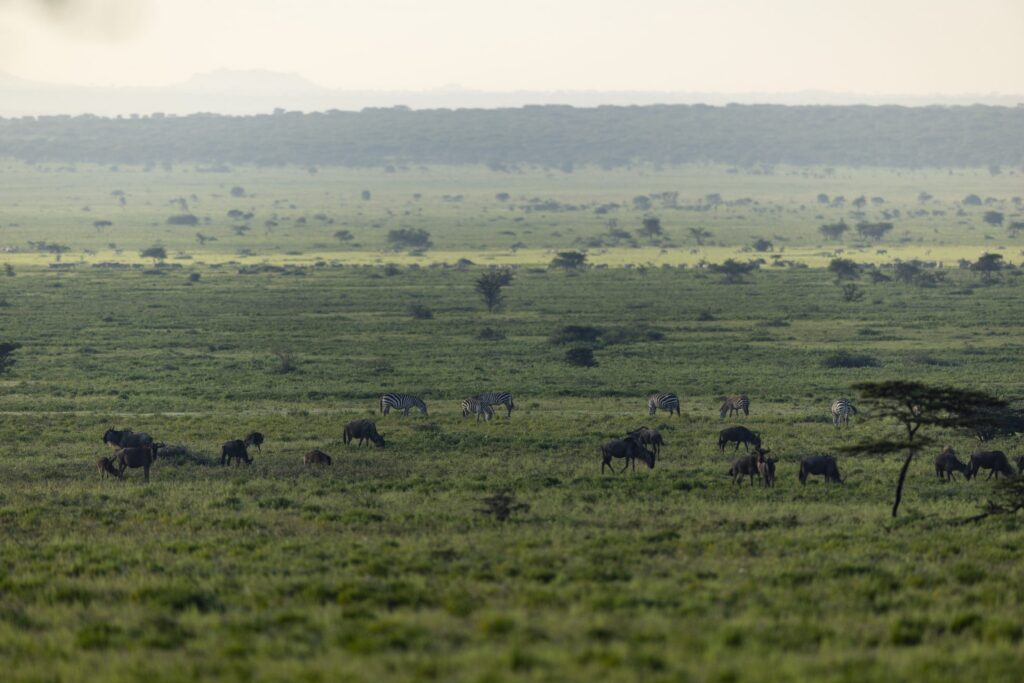
- Southern Serengeti, Tanzania. Hundreds of thousands of wildebeest gather on the short-grass plains to give birth, mostly in February. Predators follow, and the action can be extraordinary.
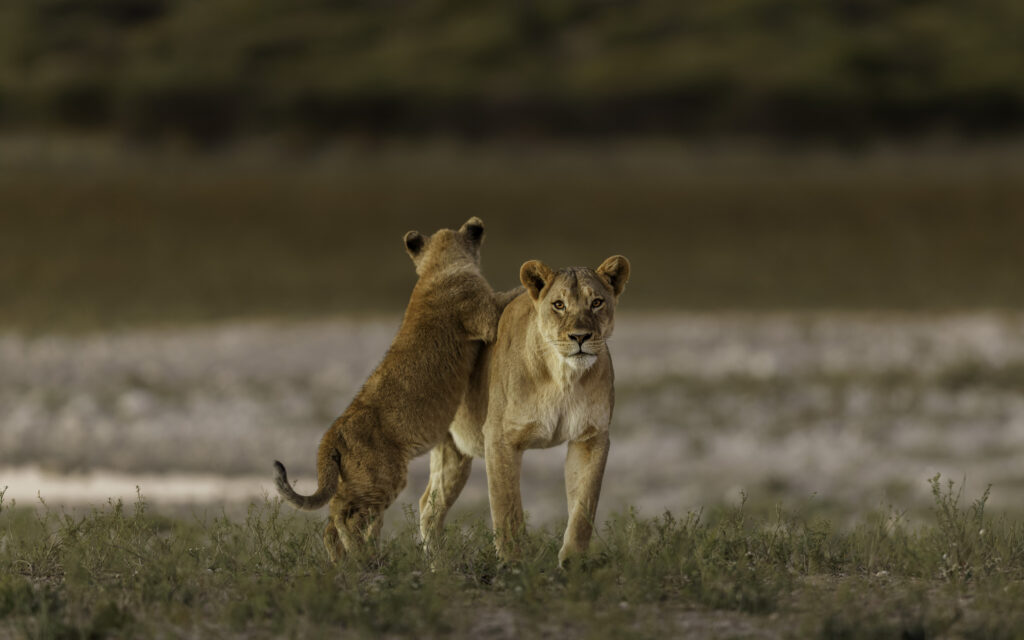
- Kalahari, Botswana and South Africa. After the rains, the desert turns green. Springbok, gemsbok and wildebeest gather on the pans, with lions and cheetahs close behind.
- Southern Africa’s private reserves. Lush bush, young animals, dramatic storm skies and far fewer visitors. Many camps offer their best rates of the year.
Good to know: expect afternoon thunderstorms that usually clear quickly. For photographers, the soft light, clean air and green backdrops are hard to beat.


April to June: the rains ease and the water arrives
A season of transition, and of some of the best-kept secrets in safari travel.
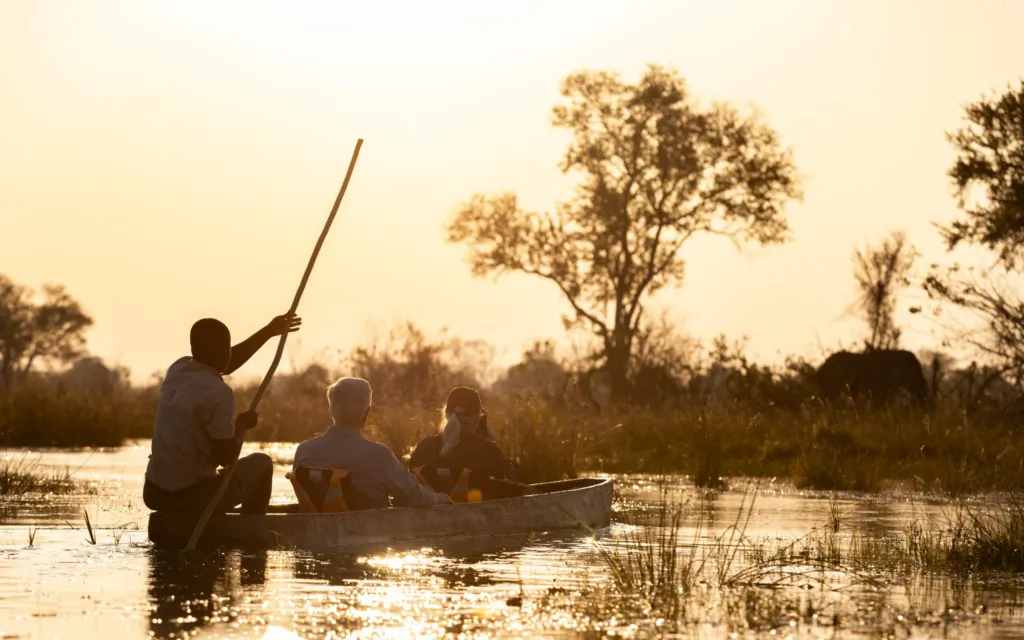
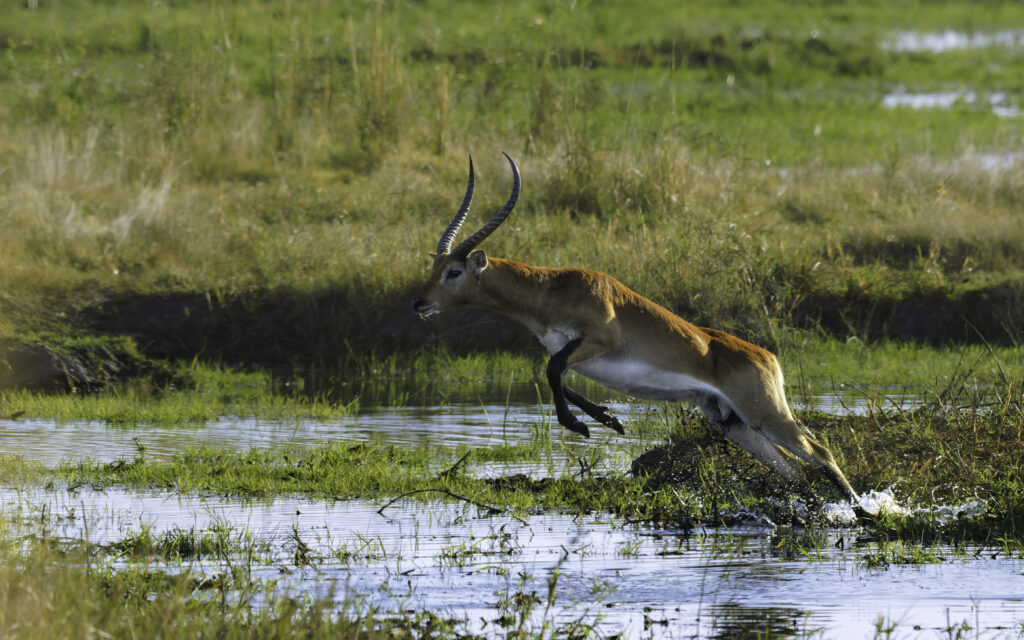
- Okavango Delta, Botswana. The floodwaters from the Angolan highlands reach the delta from around May, peaking in June and July, just as the rest of the country dries out. Mokoro (dugout canoe) trips, boating and huge concentrations of game make this one of Africa’s great spectacles.
- Rwanda and Uganda. Gorilla trekking runs all year. April and May are the wettest months, but permits are easier to secure, and from June the trails dry out.
- South Africa and Namibia. Cooler, clearer days begin. The bush thins, which makes animals easier to spot.
- Victoria Falls. The falls are at their most thunderous, with spray visible from miles away.
Good to know: in East Africa, April and May bring the long rains, and some camps close. June is a superb shoulder month almost everywhere.
July to October: the classic dry season
This is peak season for good reason. Water is scarce, vegetation is thin, and animals gather predictably around rivers and waterholes.
- Northern Serengeti and Masai Mara. The Great Migration reaches the Mara River, and the famous crossings unfold, usually from July through September.
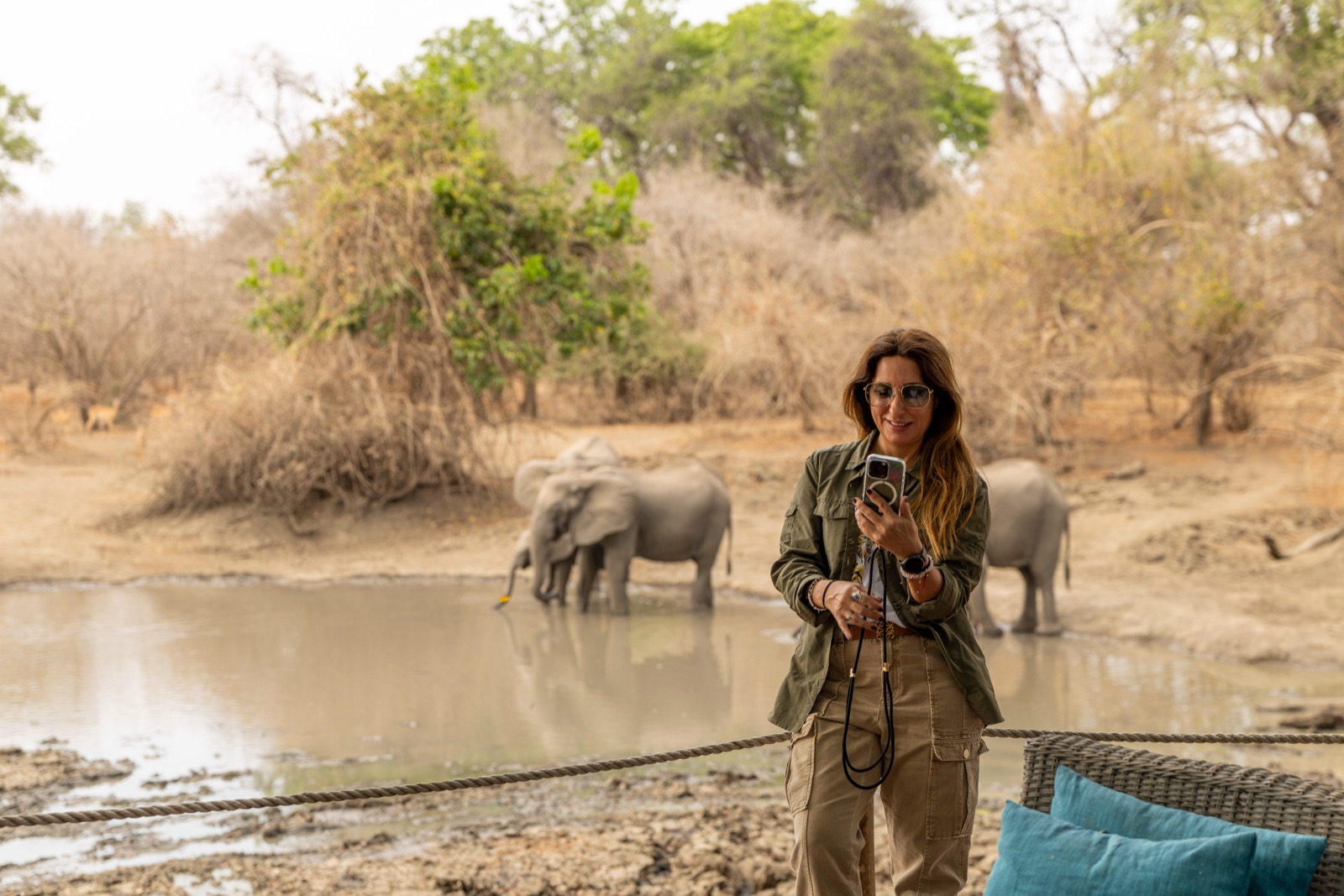
- Mana Pools, Zimbabwe. Elephants stand on their hind legs to reach the winterthorn pods, and you can walk among wildlife on the Zambezi floodplain. It is one of Africa’s most remarkable safari experiences.
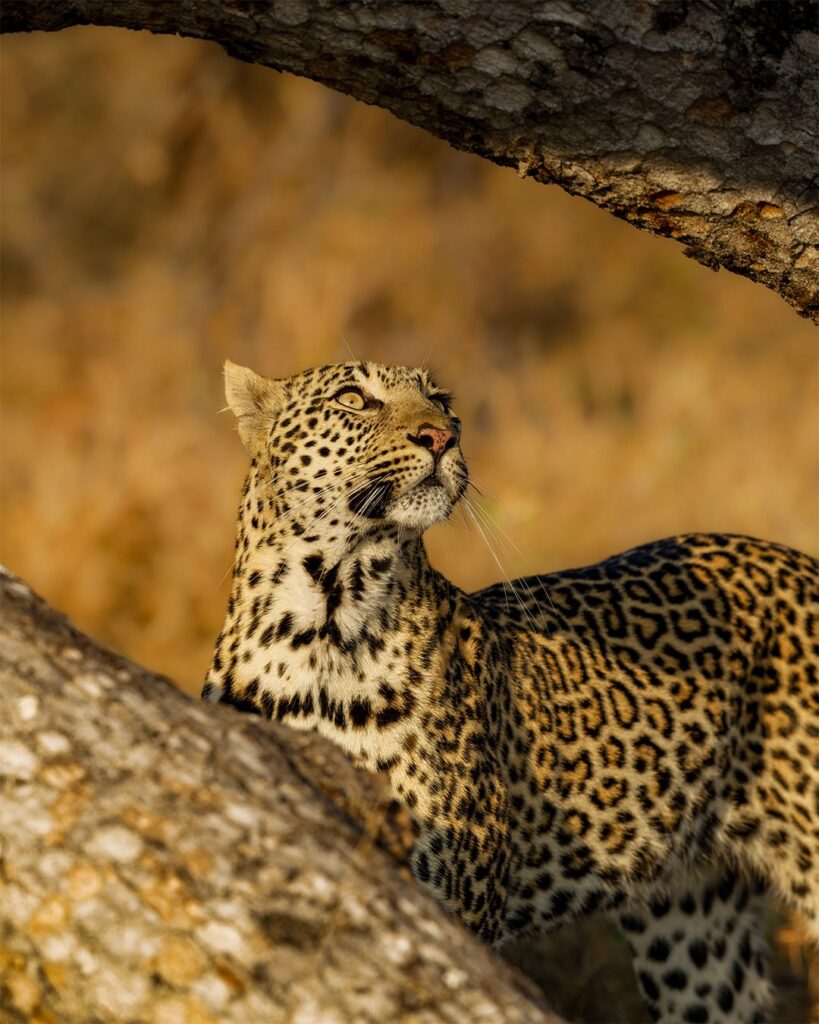
- South Luangwa and Lower Zambezi, Zambia. The heartland of the walking safari, with exceptional leopard sightings and canoeing on the Zambezi.
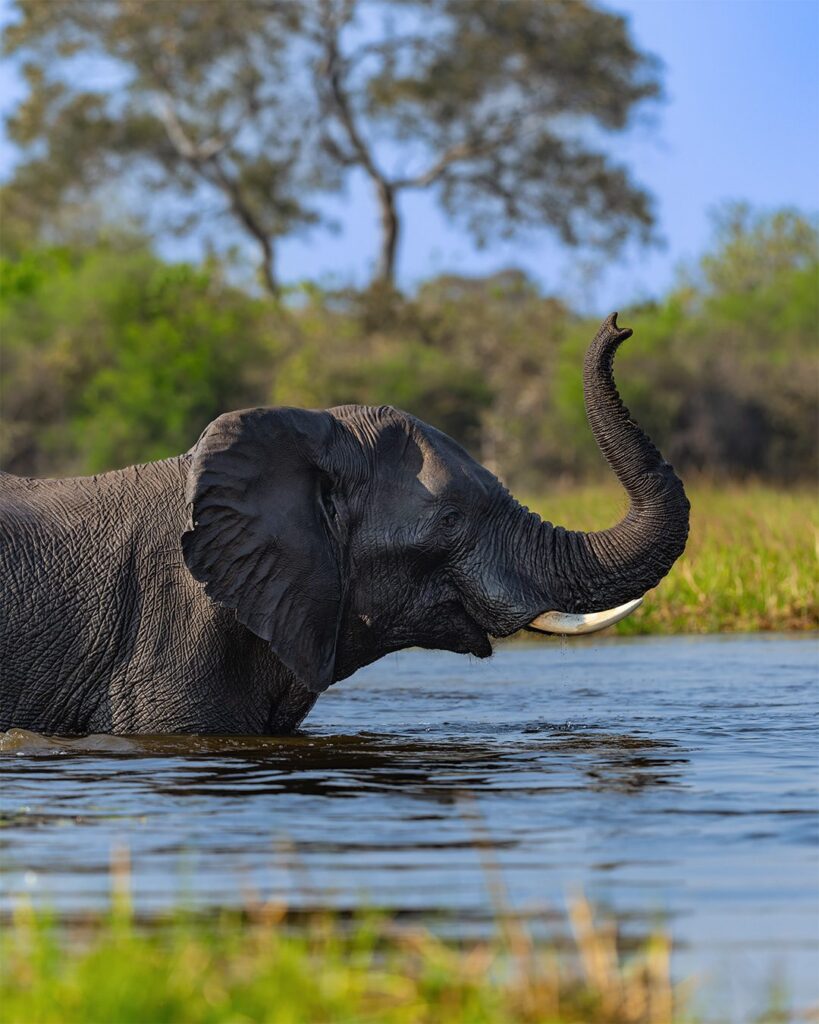
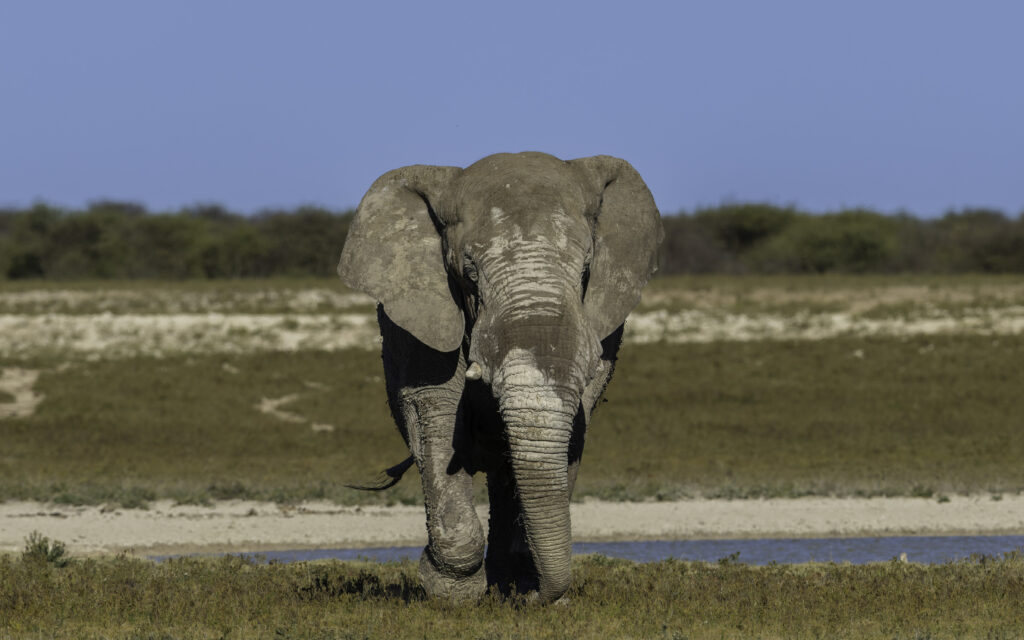
- Botswana and Hwange. Huge elephant herds and big predator action around the remaining water.
Good to know: this is when the best camps fill up first, often 12 to 18 months ahead. October can be very hot, but the game viewing is at its most intense.
November and December: the first rains
The bush transforms almost overnight. The first storms break the heat, and within days the landscape turns green.
- Southern Africa’s reserves. Impala and other antelope drop their young in a matter of weeks, and predators make the most of it. Migrant birds arrive in their thousands.
- Serengeti, Tanzania. The herds move south again through the eastern plains, towards the calving grounds.
- The beach. Mozambique’s islands and the Indian Ocean are a natural way to finish a safari.
Good to know: rates often drop from November, but the festive season is the exception. If you want to travel over Christmas or New Year, book early.
Choosing by the kind of traveller you are
First safari. Aim for the dry season, from June to October, in Botswana, the Serengeti or the Masai Mara. Or try a private reserve in South Africa at any time of year. Wildlife is reliable and plentiful, and the logistics are simple.
Families. South Africa’s malaria-free reserves, such as Madikwe, are hard to beat for younger children. Many camps welcome children with private vehicles and family suites. Pairing the bush with a beach makes the trip work for everyone.
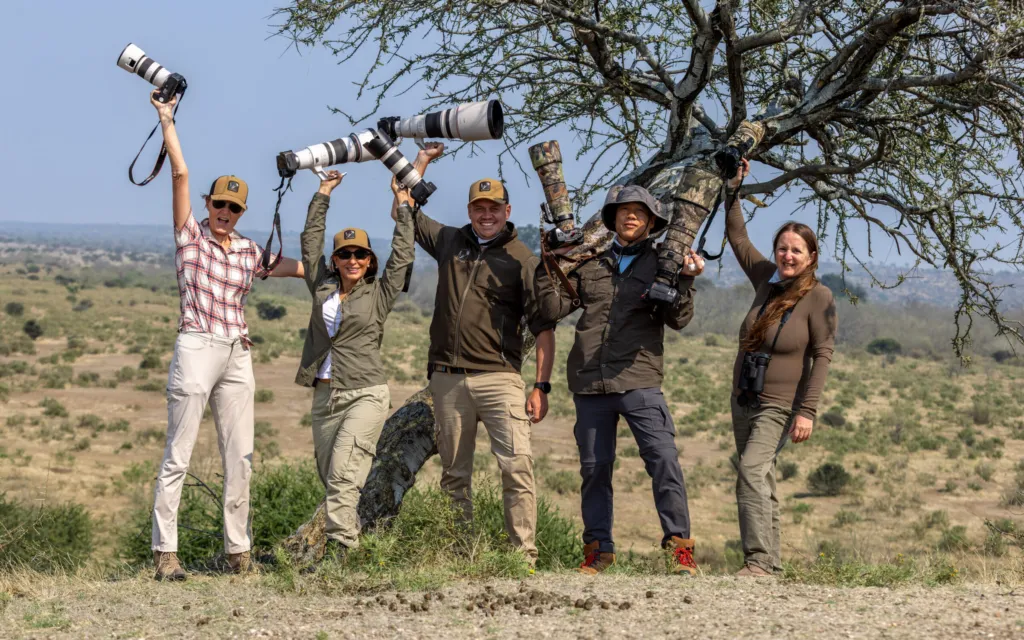
Photographers. Green season is the photographer’s secret: soft light, dramatic skies, clean backdrops and young animals. The dry season brings action at the water. Mashatu, the Kalahari and Mana Pools all reward patient, well-positioned photography.
Return visitors. Try something deeper. Walk in Zambia or Mana Pools, follow the flood in the Okavango, trek for gorillas in Rwanda, or follow a single region through a different season to see it transformed.
Let’s find your season
Seasons are only half the picture. The other half is how they fit together. With the right routing, a single trip can catch the Okavango in flood and the dry-season drama of Zimbabwe, or end the Serengeti’s calving season on an Indian Ocean beach.
Tell us when you can travel and what you would love to see, and we will suggest where Africa will be at its best for you. Start your enquiry or email travel@aboveafricatravel.com