Limited spaces · 4 left

Botswana · Photographic safari

Mashatu Predator Safari


12 – 18 September 2027 | 6 nights | Max 4 guests

Destination

Botswana

Dates

12 – 18 September 2027

Duration

6 nights

Group size

Limited to 4 guests

Availability

Limited spaces · 4 left

Price from

USD 10,950 pp sharing

The journey

About this safari

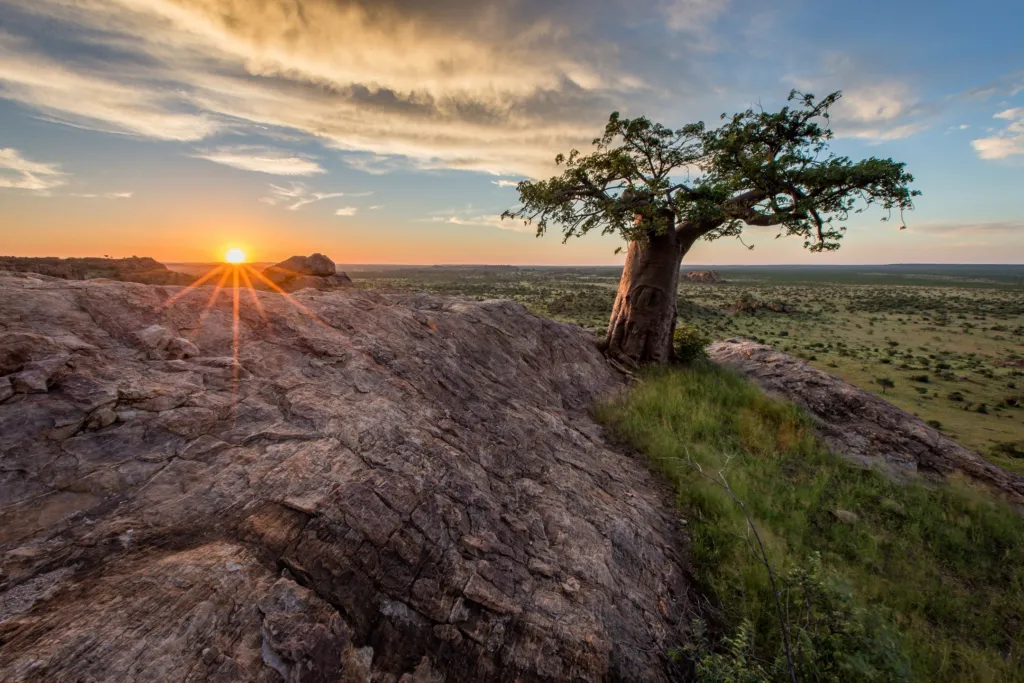
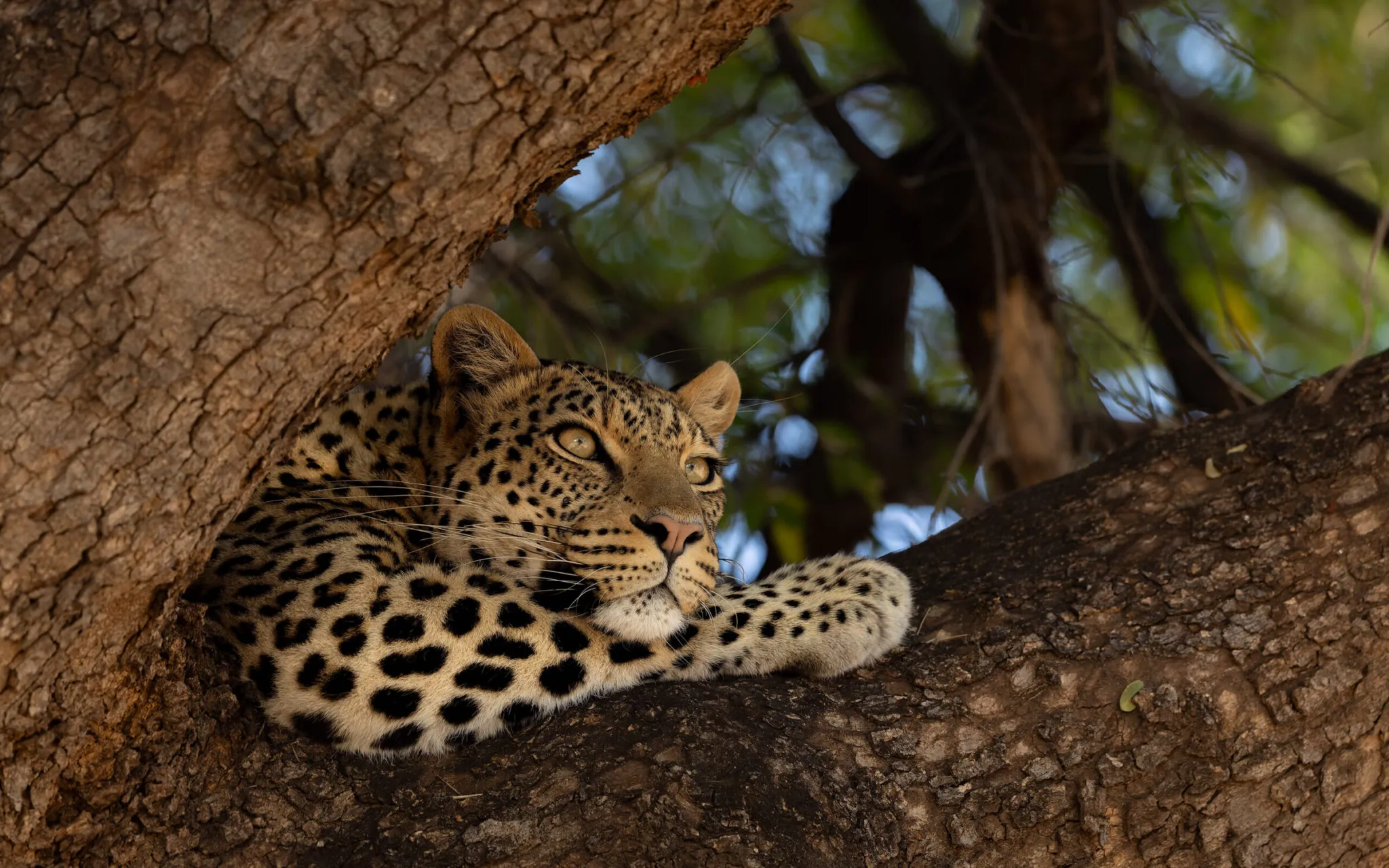
There are very few places in Africa that stir the soul of a wildlife photographer quite like Mashatu, tucked away in the remote eastern corner of Botswana. Often referred to as the home of the leopards, this remarkable landscape offers some of the most consistent and intimate predator viewing on the continent, and it is a place we keep coming back to for a reason.

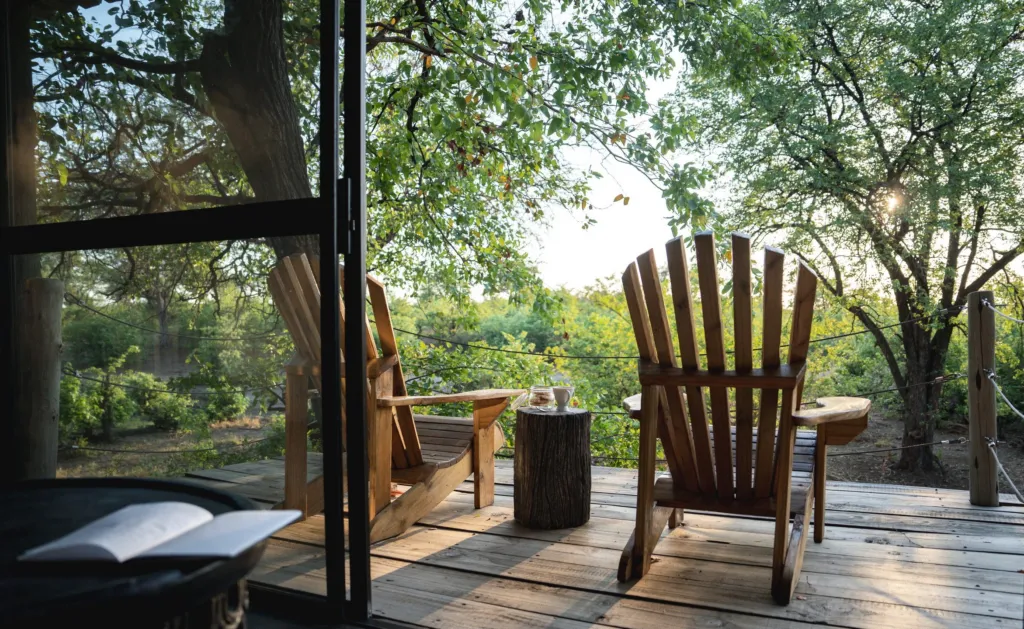
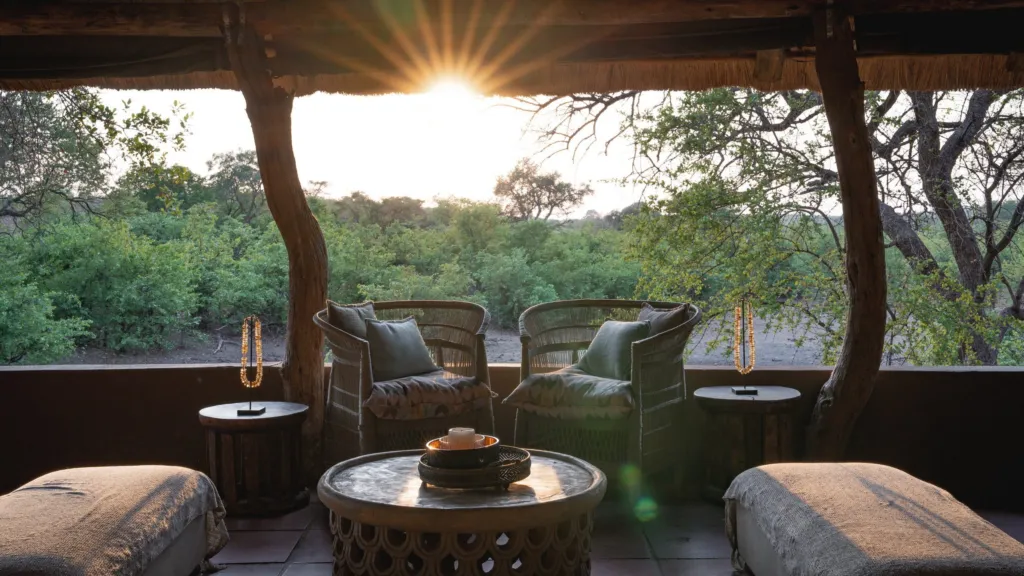
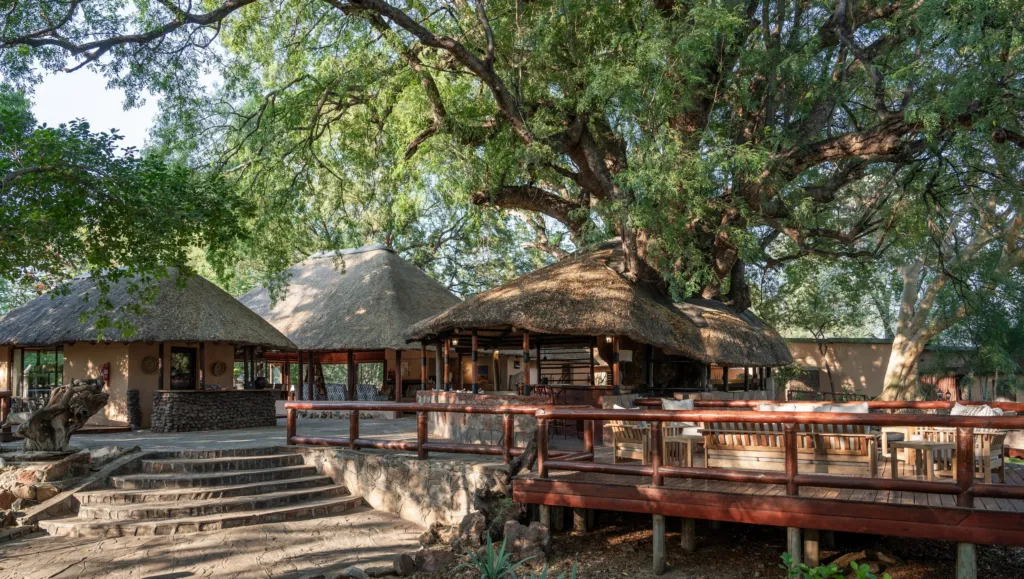
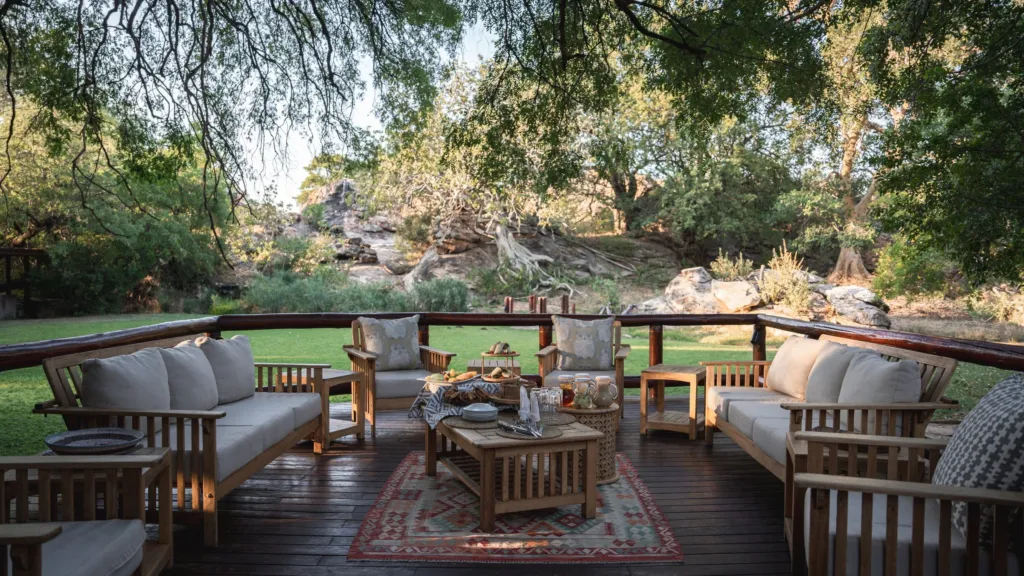
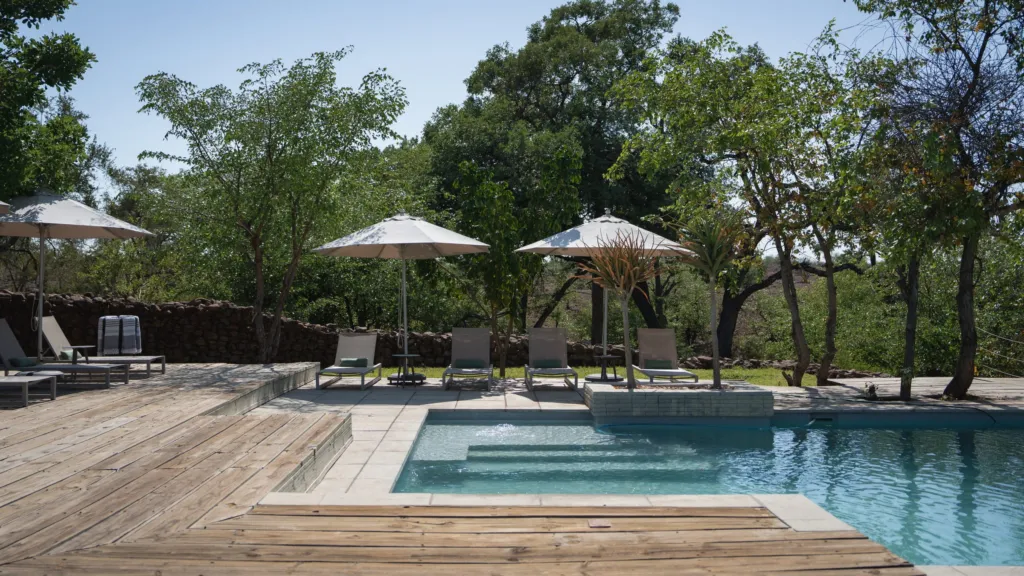
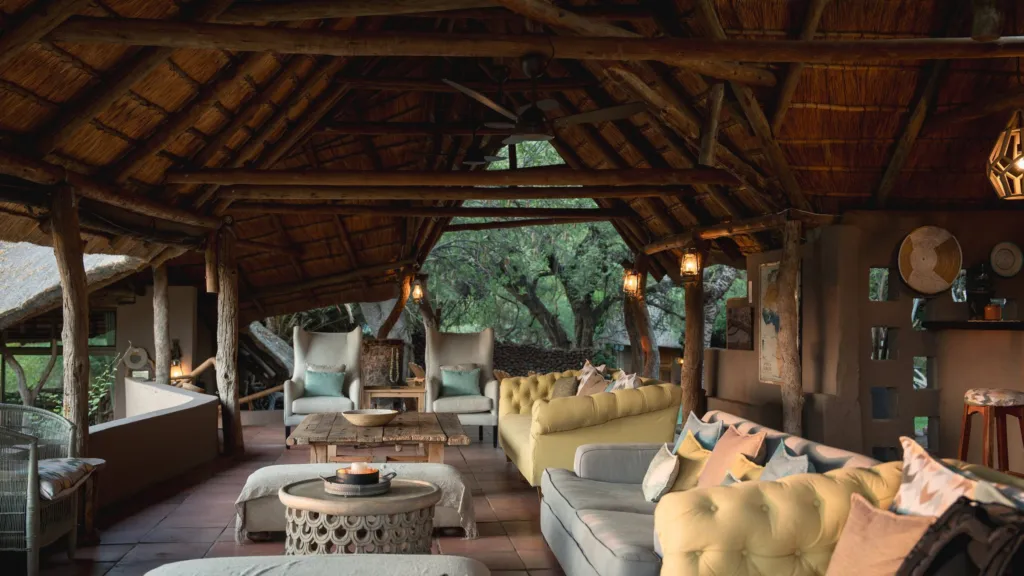
Over the course of 6 nights, we immerse ourselves in this wild, rugged environment, splitting our stay between the beautiful Mashatu Lodge and the elevated, more intimate Tuli Safari Lodge. Each offers a unique perspective of the reserve, while maintaining comfort, style and seamless access to the incredible photographic opportunities that await.

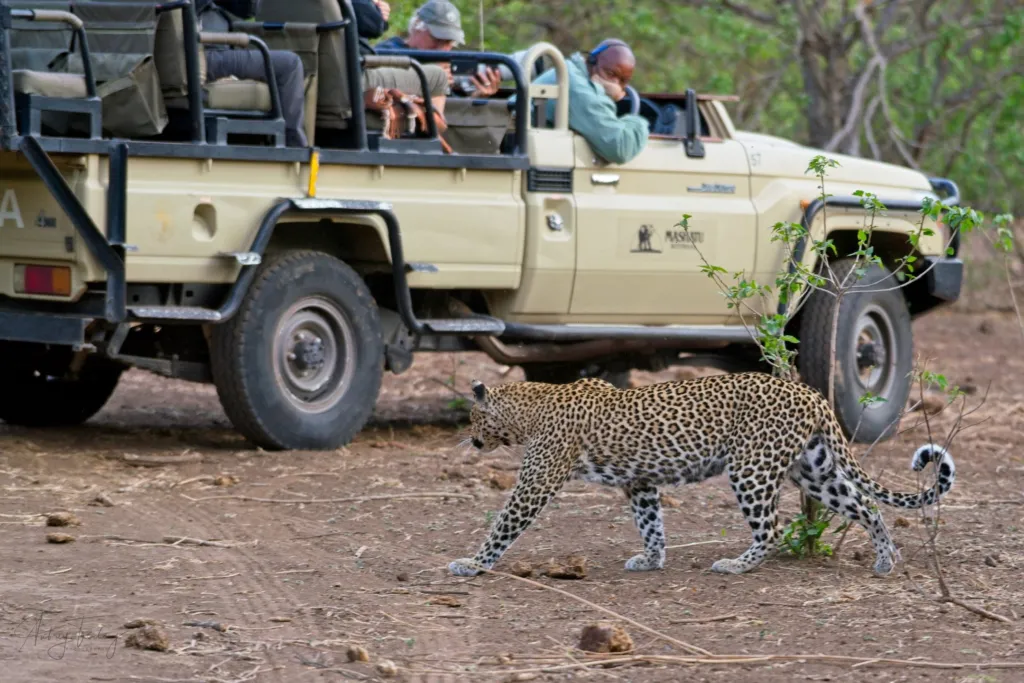
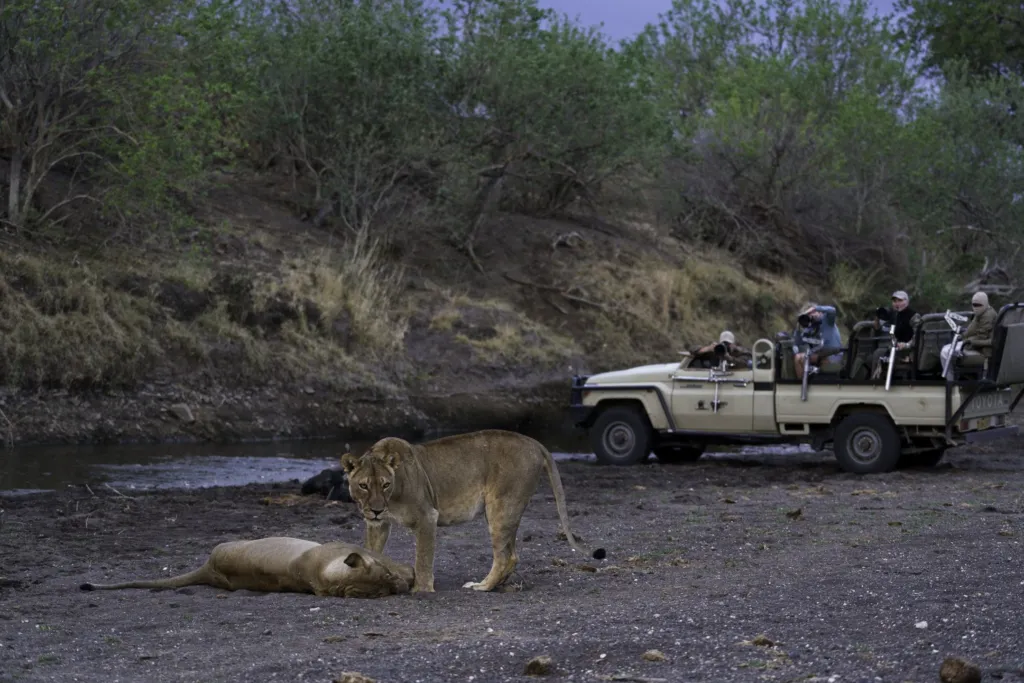
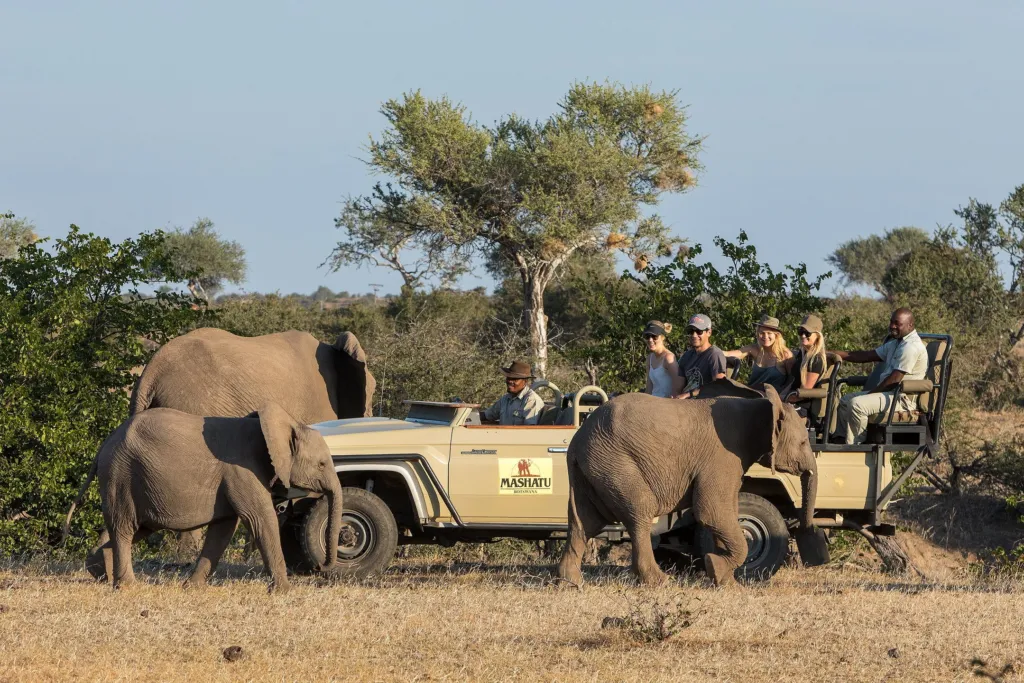
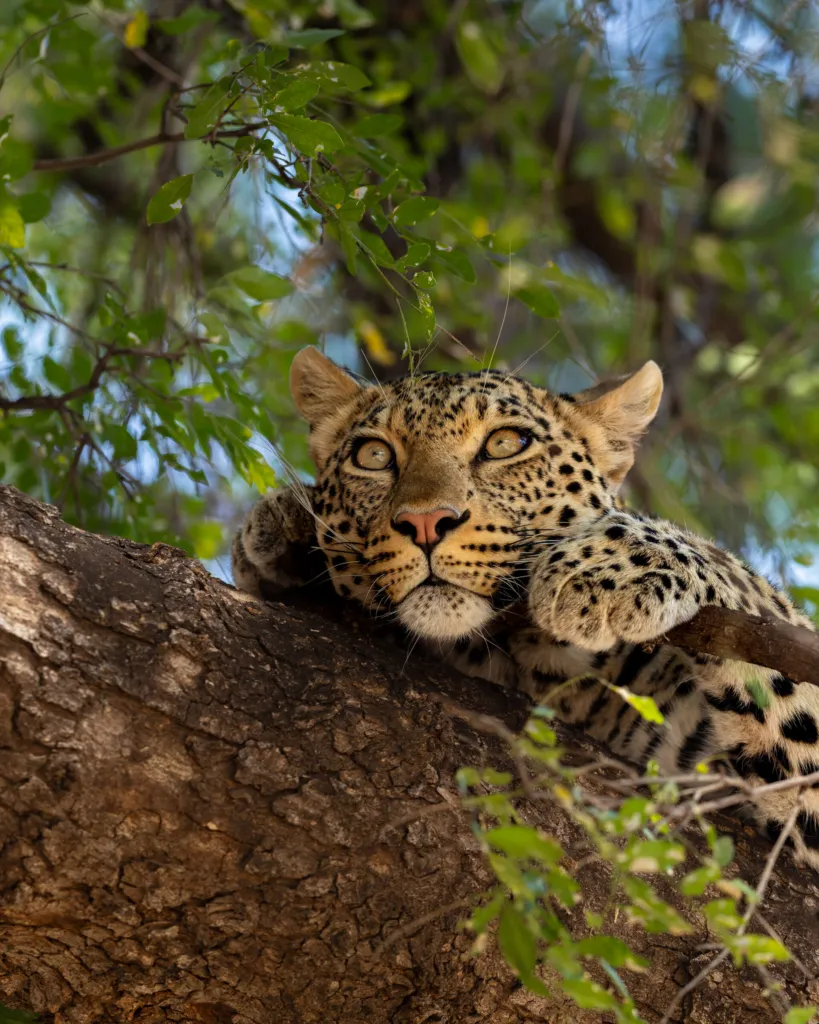
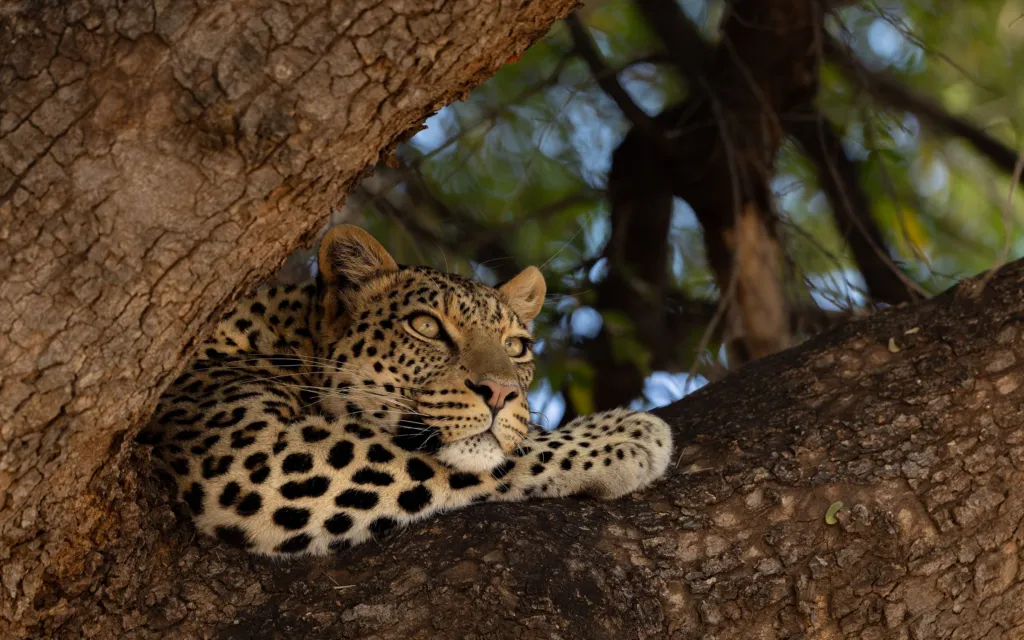
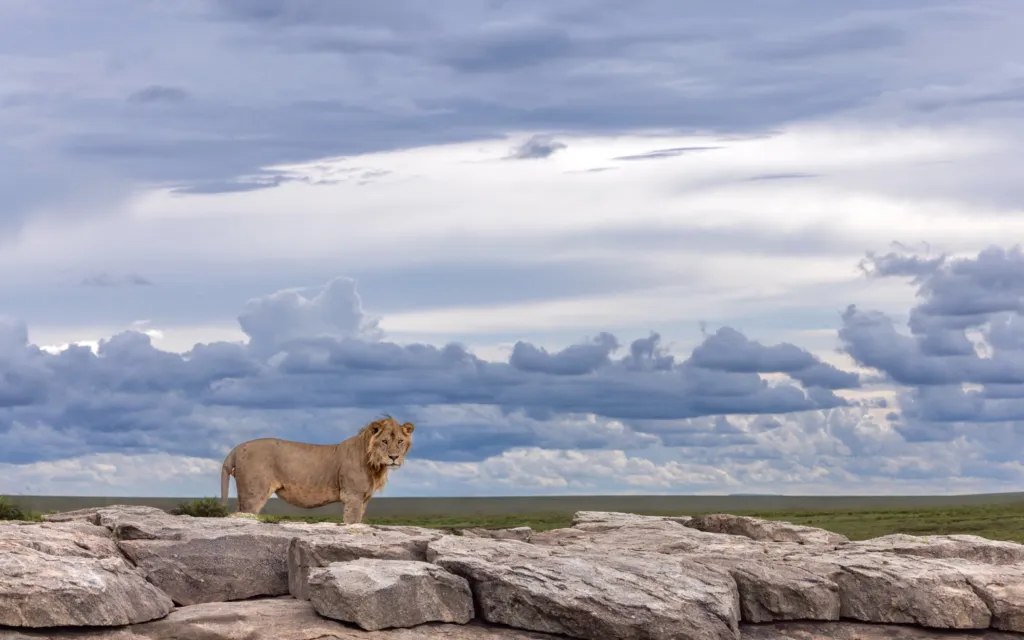
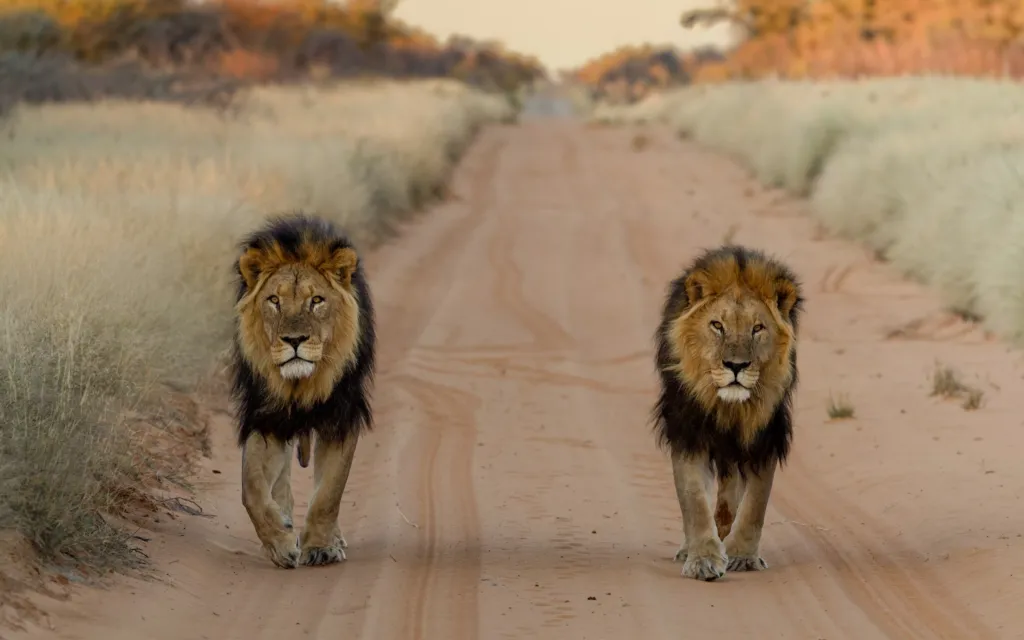
Mashatu is truly a predator photographer’s playground. Leopards are undoubtedly the stars of the show here: relaxed, visible and often active during golden light hours, allowing for prolonged and meaningful sightings. Beyond that, the reserve consistently delivers on lions, cheetahs and the ever elusive African wild dog, all set against dramatic sandstone ridges, ancient riverbeds and open plains.

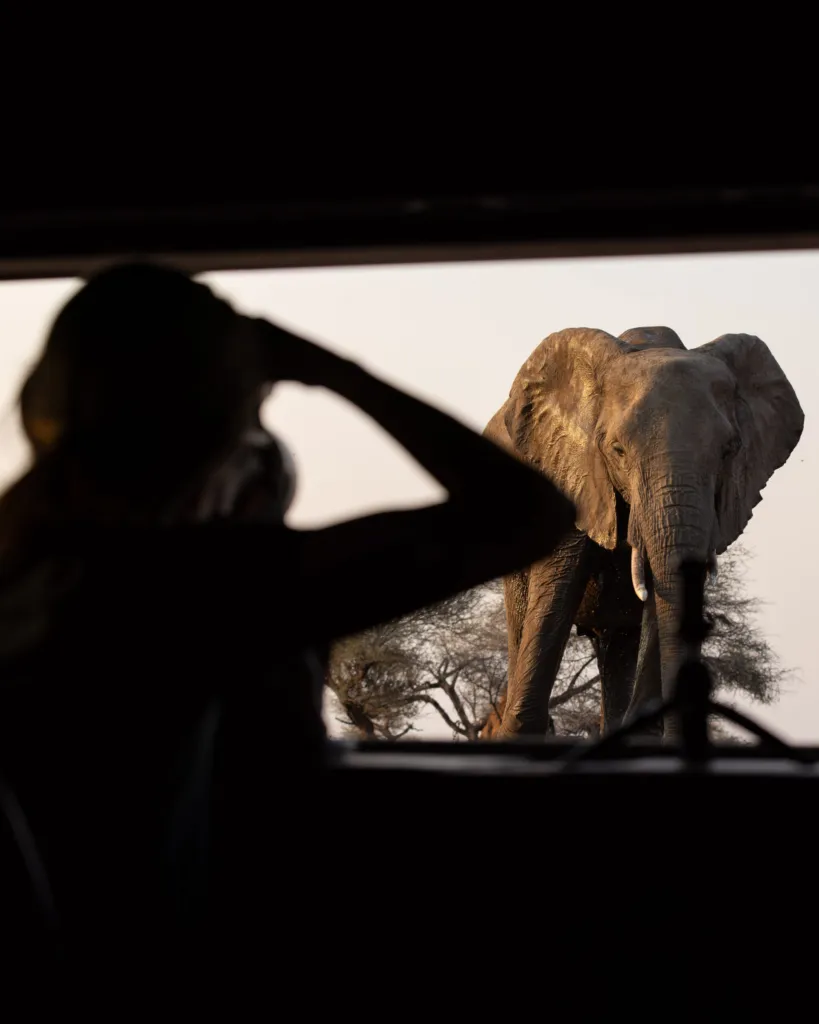
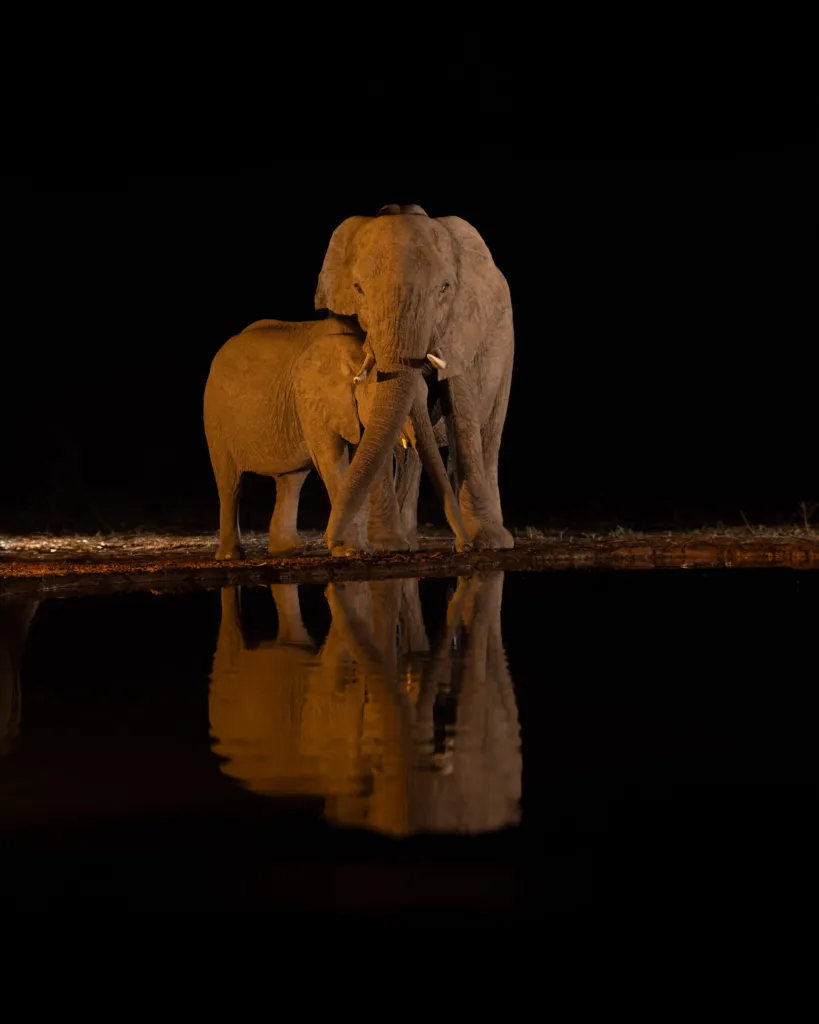
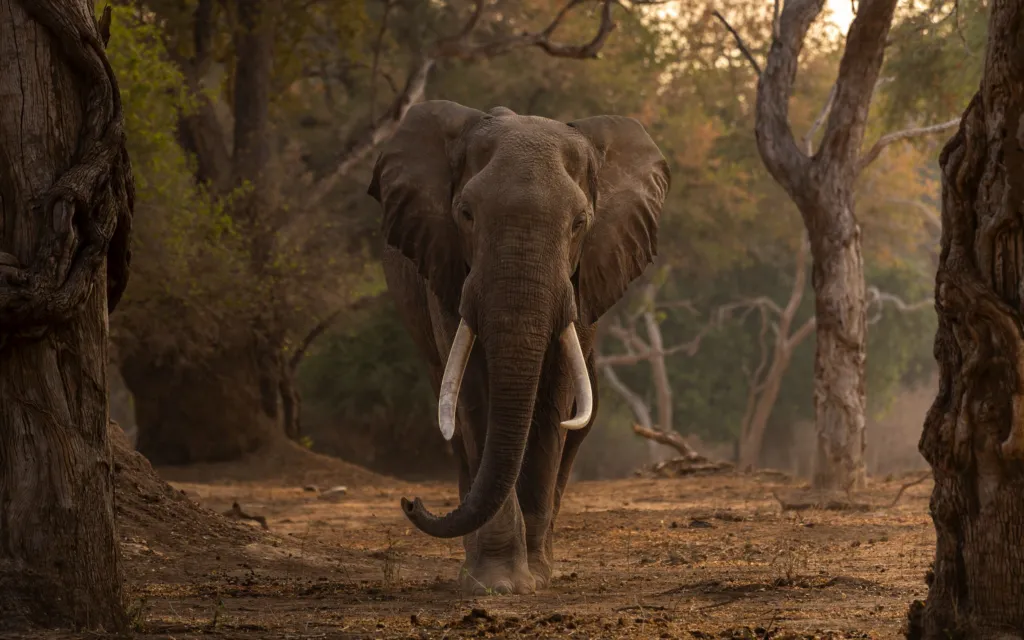
A true highlight of this safari is our exclusive overnight hide experience. Spending 2 nights photographing from a ground-level hide offers a completely different perspective as wildlife comes to the water under the cover of darkness. This is where patience is rewarded, and where some of the most unique and creative imagery is made, from elephants and hyenas to the possibility of nocturnal predators moving silently through the frame.

This safari is designed specifically with photographers in mind: maximising time in the field, positioning for the best light and embracing the rhythm of the bush. Whether you are looking to build a powerful predator portfolio or simply experience one of Africa’s most exciting wildlife destinations, Mashatu delivers in every sense.
Your journey

Itinerary

Board your flight at Lanseria International Airport, Johannesburg, to Limpopo Valley Airfield, inside Mashatu Game Reserve and less than an hour’s drive from Mashatu Lodge.

Flight from Lanseria, Johannesburg, to Limpopo Valley Airfield inside Mashatu, then less than an hour’s drive to the lodge

Stay 1 · Nights 1 to 3

Mashatu Lodge

Mashatu Game Reserve · Botswana · Lodge

In the heart of Mashatu, with quick access to riverbeds, open plains and key predator territories.

  • 14 suites
  • Two pools
  • Spa

Game drives across riverbeds, open plains and key predator territories. One night is spent in an overnight photographic hide, with a ground-level view as wildlife visits the water after dark.

Activities

  • Game drives
  • Sleep-out hide

Wildlife here

  • Leopard
  • Lion
  • Elephant

Move across the reserve to Tuli Safari Lodge

Stay 2 · Nights 4 to 6

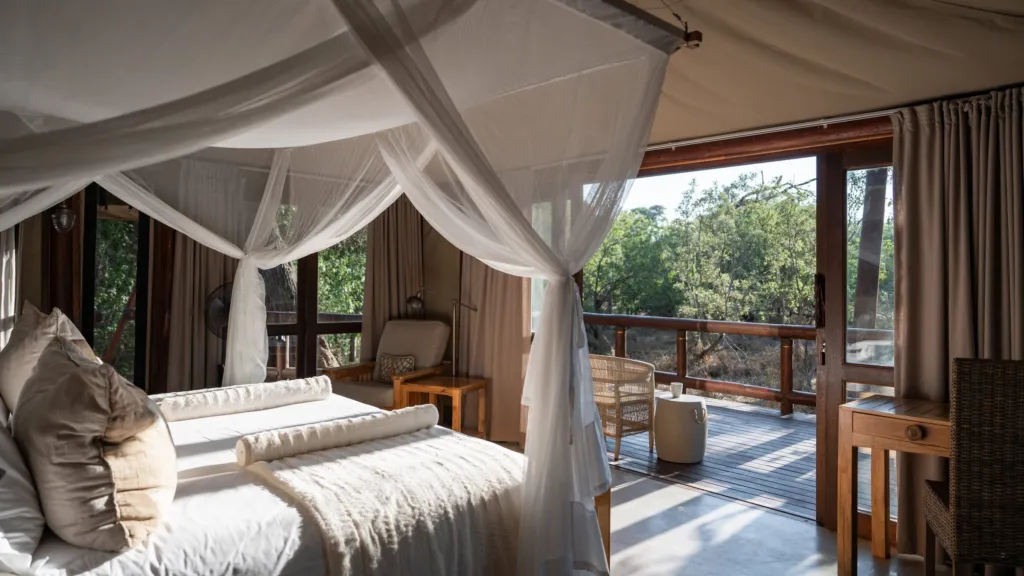
Tuli Safari Lodge

Mashatu Game Reserve · Botswana · Lodge

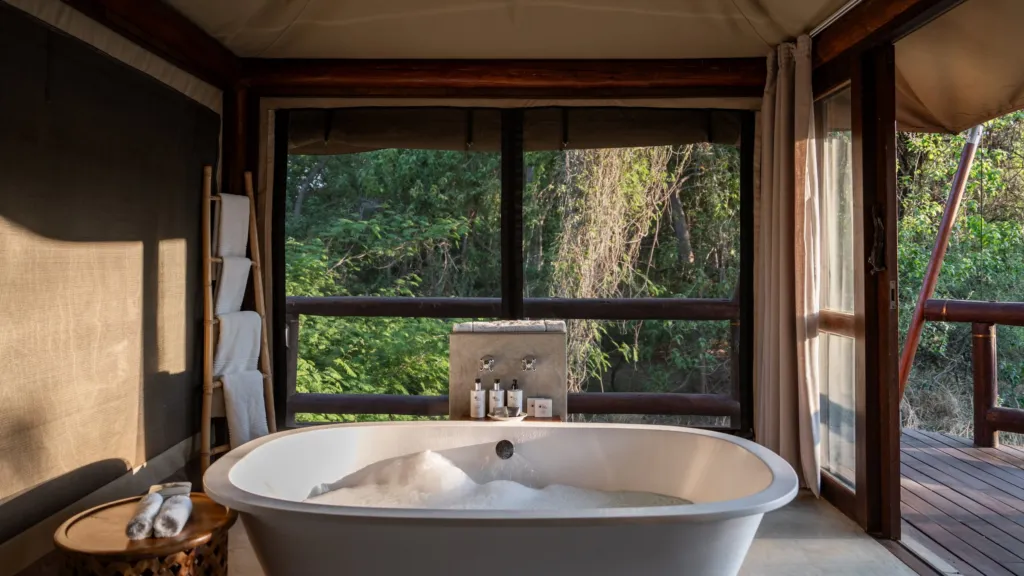
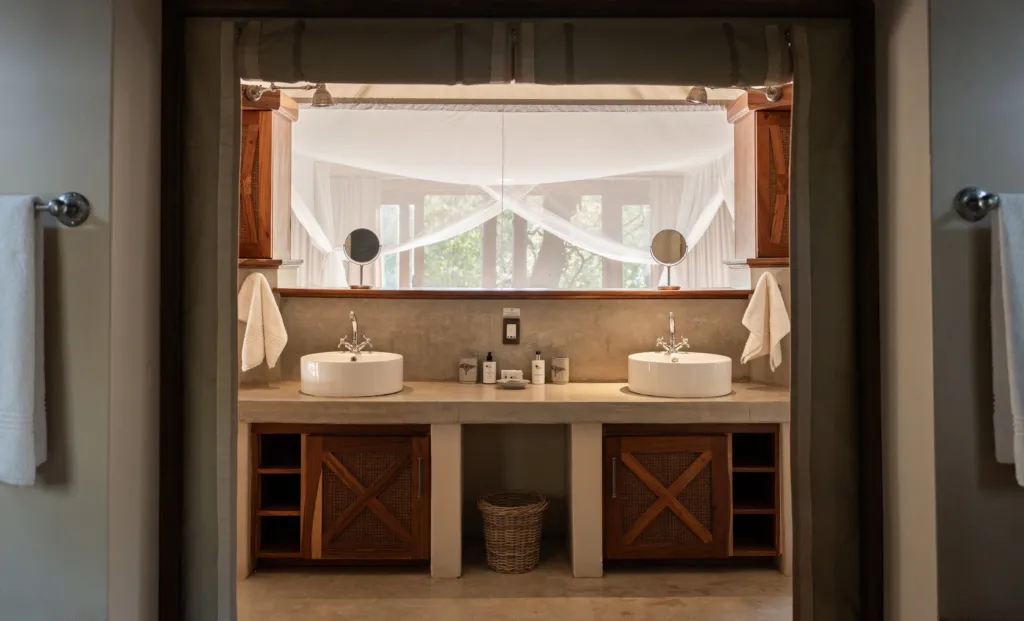
Elevated tents in a different, equally productive area of the reserve, known for excellent predator viewing.

  • Elevated tents
  • Freestanding baths
  • Stargazing deck

A different yet equally productive area of the reserve, known for excellent predator viewing. A second night in the photographic hide builds on the first.

Activities

  • Game drives
  • Sleep-out hide

Wildlife here

  • Leopard
  • Lion
  • Elephant

Small group · Limited spaces

Ready to join this journey?


Tell us you’re interested and Francois will be in touch within two working days with availability and booking details.

Enquire about this safari

About the destination

Southern Africa

South Africa


Africa’s most varied safari country, pairing world-class private reserves with wine valleys, a dramatic coastline and Cape Town, all supported by excellent infrastructure.

What sets it apart

Nowhere else combines a Big Five safari with so much else in one journey. The private reserves bordering the Kruger National Park, such as the Sabi Sand, are renowned for close, relaxed leopard sightings, while malaria-free reserves like Madikwe and those in the Eastern Cape make family safaris easy. Short flights link the bush with the Cape Winelands, the Garden Route and Cape Town.

Landscape & climate

From the lowveld bushveld of the north-east to the red sands of the Kalahari, the mountains of the Cape and the meeting of two oceans. Summer (November to March) is hot with afternoon storms in the safari areas, while winter (May to September) brings dry, mild days and cold early mornings. The Cape has a Mediterranean climate with wet winters.

Southern Africa

Botswana


A low-volume, high-quality wilderness where the Okavango Delta floods the Kalahari, creating one of Africa’s richest and most exclusive safari regions.

What sets it apart

Botswana deliberately keeps visitor numbers low, so its private concessions offer space, silence and exceptional guiding. The Okavango Delta, a UNESCO World Heritage Site, is one of the few places you can explore by mokoro (a traditional dugout canoe) as well as by vehicle and on foot. Chobe is famous for some of Africa’s largest elephant herds, and the Kalahari and Makgadikgadi Pans offer a completely different desert experience.

Landscape & climate

Mostly flat Kalahari sand, transformed by the Okavango’s seasonal floodwaters, which peak in the dry winter months. May to October is dry and clear with cold mornings, and October can be very hot. November to April is the green season, with afternoon storms, newborn animals and dramatic skies.

Southern Africa

Zimbabwe


Home to some of Africa’s finest walking guides, Zimbabwe combines the thundering Victoria Falls with wild, uncrowded parks such as Mana Pools and Hwange.

What sets it apart

Zimbabwe’s professional guides are renowned for their rigorous training, which makes walking and canoe safaris here exceptional. Mana Pools, a UNESCO World Heritage Site on the Zambezi, allows remarkable encounters on foot. Hwange, the country’s largest park, is famous for its elephants and waterholes, and Victoria Falls is one of the natural wonders of the world.

Landscape & climate

A high plateau of mopane and teak woodland and granite outcrops, falling to the Zambezi Valley in the north, where floodplains are shaded by tall albida trees. The dry season (May to October) offers the best game viewing as animals gather at water, with the heat building from September. The Falls are at their fullest from about March to May.

Southern Africa

Zambia


The birthplace of the walking safari, Zambia offers raw, authentic wilderness with exceptional leopards, remote camps and very few other visitors.

What sets it apart

South Luangwa is where the walking safari was pioneered, and it remains one of the best places in Africa to explore on foot. It is also renowned for leopards and for night drives, which are permitted in its national parks. The Lower Zambezi offers canoeing among elephants, while Kafue and Liuwa Plain are vast and remote.

Landscape & climate

River valleys, oxbow lagoons and miombo and mopane woodland, with the Luangwa and Zambezi rivers at its heart. The dry season (May to October) is the prime safari season, growing hotter towards October. Many remote camps close during the green season, roughly December to March.

Southern Africa

Namibia


A land of immense space and surreal beauty, where red dunes meet the Atlantic and desert-adapted wildlife thrives against the odds.

What sets it apart

Namibia’s landscapes are unlike anywhere else on the continent. The towering red dunes of Sossusvlei, the shipwreck-strewn Skeleton Coast and the rugged mountains of Damaraland, home to desert-adapted elephant and black rhino, are a photographer’s dream. Etosha National Park offers superb game viewing at its waterholes, and the night skies are among the clearest anywhere.

Landscape & climate

Desert, gravel plains and mountains, with the cold Benguela current bringing fog to the coast. Rainfall is low and the air dry; days are warm to hot, while desert nights can be cold. The dry winter months bring the best wildlife viewing at Etosha’s waterholes.

East Africa

Kenya


The home of the classic safari, from the vast plains of the Masai Mara to the private conservancies of Laikipia and Samburu, with a deep cultural connection to the land.

What sets it apart

Kenya is where the safari began, and it still delivers the iconic East African experience. The Masai Mara hosts the Great Migration’s river crossings from about July to October and has some of the highest predator densities in Africa. Private conservancies bordering the reserve and in Laikipia limit vehicle numbers and allow walking, night drives and cultural visits.

Landscape & climate

Rolling savannah, the Great Rift Valley, highland plateaus and the arid north. Kenya sits on the equator, so temperatures are pleasant all year, moderated by altitude. There are two rainy seasons: the long rains around April and May, and the short rains around November.

East Africa

Tanzania


Home to the Serengeti, the Ngorongoro Crater and Kilimanjaro, Tanzania offers the Great Migration year-round and some of Africa’s most famous wildlife spectacles.

What sets it apart

The Serengeti is the stage for the Great Migration, with more than a million wildebeest and hundreds of thousands of zebra moving in a year-long cycle. From about January to March the herds calve in the southern Serengeti and Ndutu, drawing predators in huge numbers. The Ngorongoro Crater holds one of Africa’s densest concentrations of wildlife, while remote parks such as Ruaha and Nyerere offer wilder, quieter safaris.

Landscape & climate

Volcanic highlands, the Great Rift Valley, open short-grass plains and a tropical coast. The long dry season (June to October) brings excellent game viewing, while the short rains (November to December) and long rains (April to May) turn the land green. The calving season falls in the drier spell from January to March.

East Africa

Uganda & Rwanda


The heart of primate country, where you can spend an unforgettable hour with mountain gorillas in misty forest, and track chimpanzees and golden monkeys.

What sets it apart

Uganda and Rwanda are home to many of the world’s remaining mountain gorillas. Gorilla trekking in Bwindi Impenetrable Forest or Volcanoes National Park is one of the most moving wildlife encounters on earth, limited to small groups and one hour with each habituated family. Uganda adds chimpanzee tracking, tree-climbing lions and the source of the Nile, while Rwanda impresses with Kigali, one of Africa’s cleanest cities, and its conservation success.

Landscape & climate

Volcanoes, terraced hills, rainforest, crater lakes and savannah, at altitude close to the equator. Days are mild and nights cool all year. The drier months, June to September and December to February, make trekking easier.

Southern Africa · Indian Ocean coast

Mozambique


A long, warm Indian Ocean coastline of turquoise lagoons, dune islands and coral reefs, perfect for ending a safari barefoot.

What sets it apart

Mozambique’s Bazaruto and Quirimbas archipelagos offer some of the most beautiful and least developed coastline in Africa. Its waters are home to dugong, manta rays, dolphins and turtles, and from about July to October migrating humpback whales pass close to shore. Its proximity to South Africa’s Kruger region makes a bush and beach combination easy.

Landscape & climate

A tropical coast of mangroves, palm-fringed beaches, high coastal dunes and offshore islands. It is warm all year; the dry season (May to November) is sunny and pleasant, while December to March is hot and humid, with a risk of cyclones.

Zanzibar · Mauritius · Seychelles · Madagascar

Indian Ocean Islands


From Zanzibar’s spice-scented Stone Town to the granite beaches of the Seychelles, the lagoons of Mauritius and the unique wildlife of Madagascar, the perfect island finale to a safari.

What sets it apart

Each island offers something different. Zanzibar and its private islands combine history and culture with coral reefs, an easy hop from a Tanzanian safari. Mauritius is ideal for refined resort stays, the Seychelles for their iconic granite boulders and pristine beaches, and Madagascar for wildlife found nowhere else on earth, including lemurs and chameleons.

Landscape & climate

Tropical islands with coral reefs, white sand and lush interiors, from Madagascar’s rainforests and spiny forests to the volcanic peaks of Mauritius. Warm all year, with the wetter months varying by island: roughly April to May in Zanzibar, and December to March in Mauritius, the Seychelles and Madagascar.

Want more time here? We can design a private extension before or after your safari.

Extend your journey ›
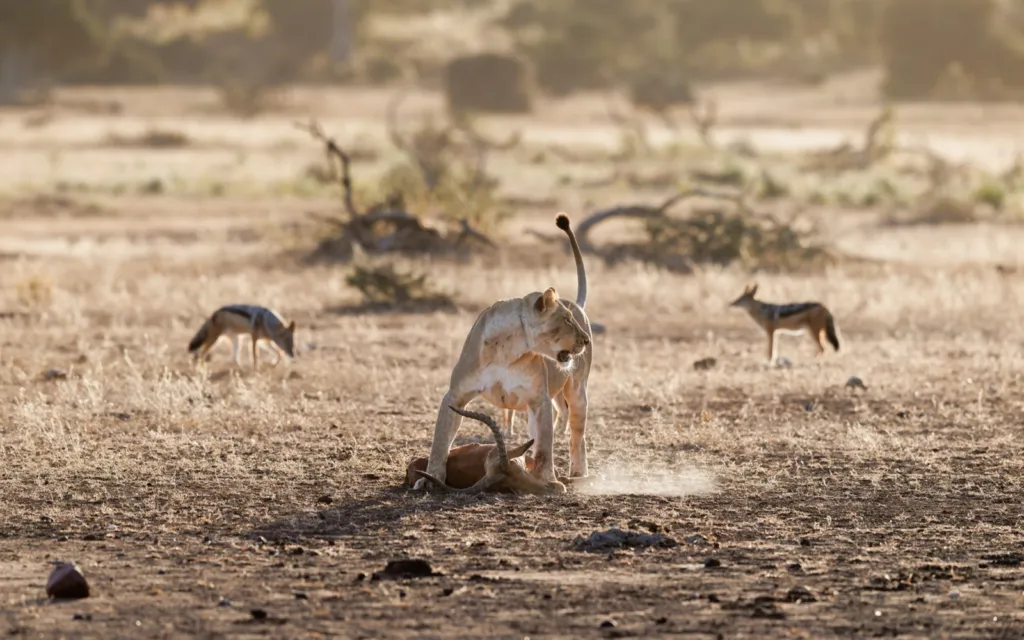
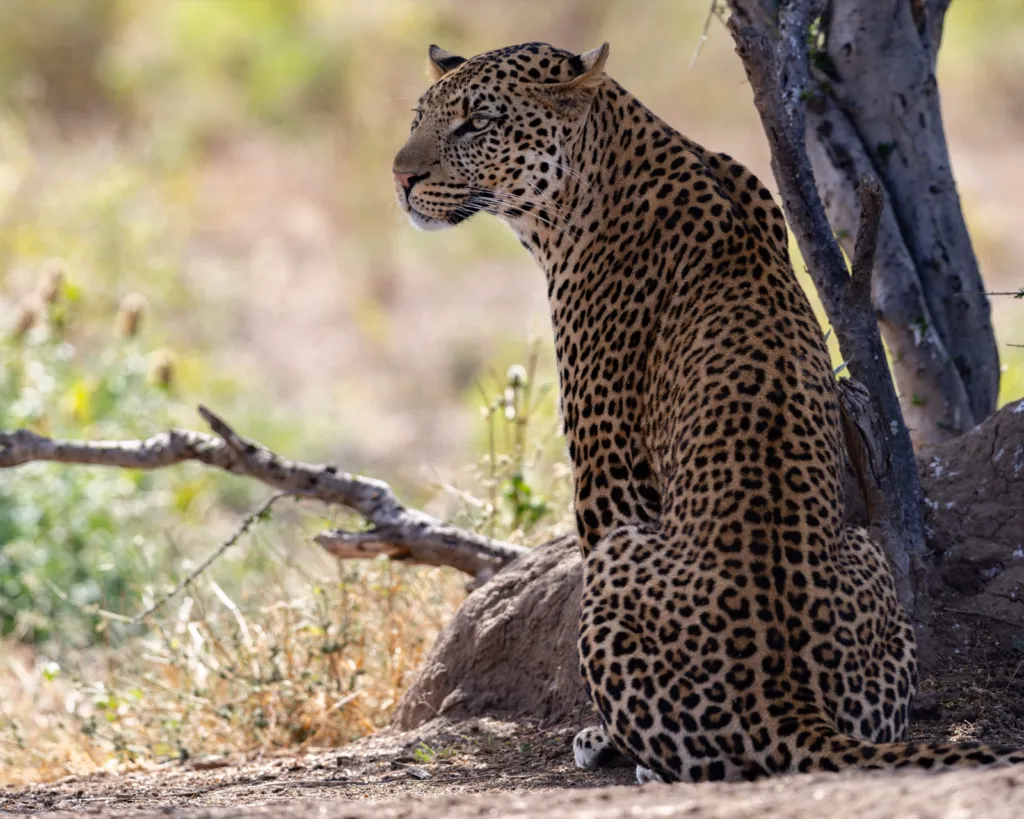
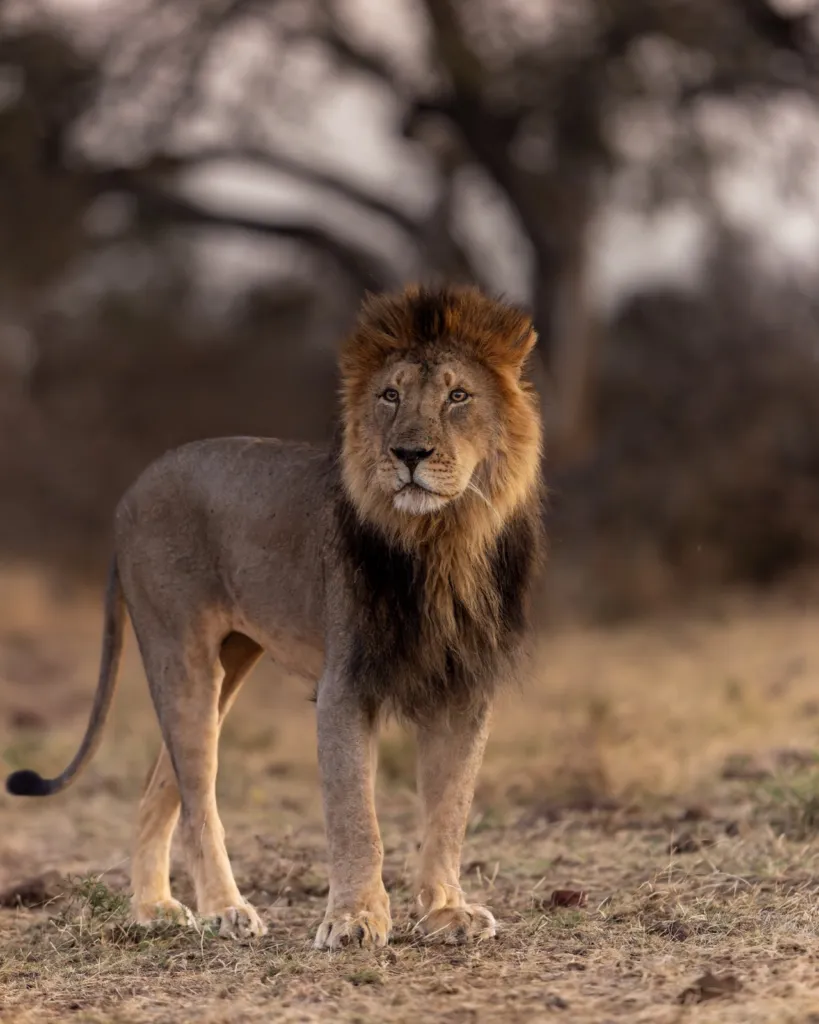
Lioness feeding while black-backed jackals wait nearby Leopard sitting beside a tree, looking over its shoulder Black-maned lion standing on dry ground in Mashatu

What’s included


Hosted by professional photographic guide Francois Fourie
Return scheduled flights from Lanseria International Airport, Johannesburg, to Mashatu Game Reserve with MashatuConnect, including passenger taxes and landing fees
Transfers to and from Limpopo Valley Airfield
3 nights in Luxury Suites at Mashatu Lodge
3 nights in Luxury Tented Suites at Tuli Safari Lodge
All meals
Beverages: local wines, spirits and beers, soft drinks, teas and coffees, and refreshments on game drives and walks
Wi-Fi and laundry
Private vehicle for all activities
2 nights in the Lala Limpopo photographic hide
An afternoon visit to the Matebole Elephant Hide
Mashatu conservation levy, government bed levy and VAT

Not included


International flights in and out of Johannesburg
Premium or imported alcohol
Spa treatments
Adventure activities: horseback safaris, cycling, extended walking safaris
Use of photographic hides not listed above, or professional gear hire
Curio purchases, personal expenses and gratuities
Visas and travel insurance

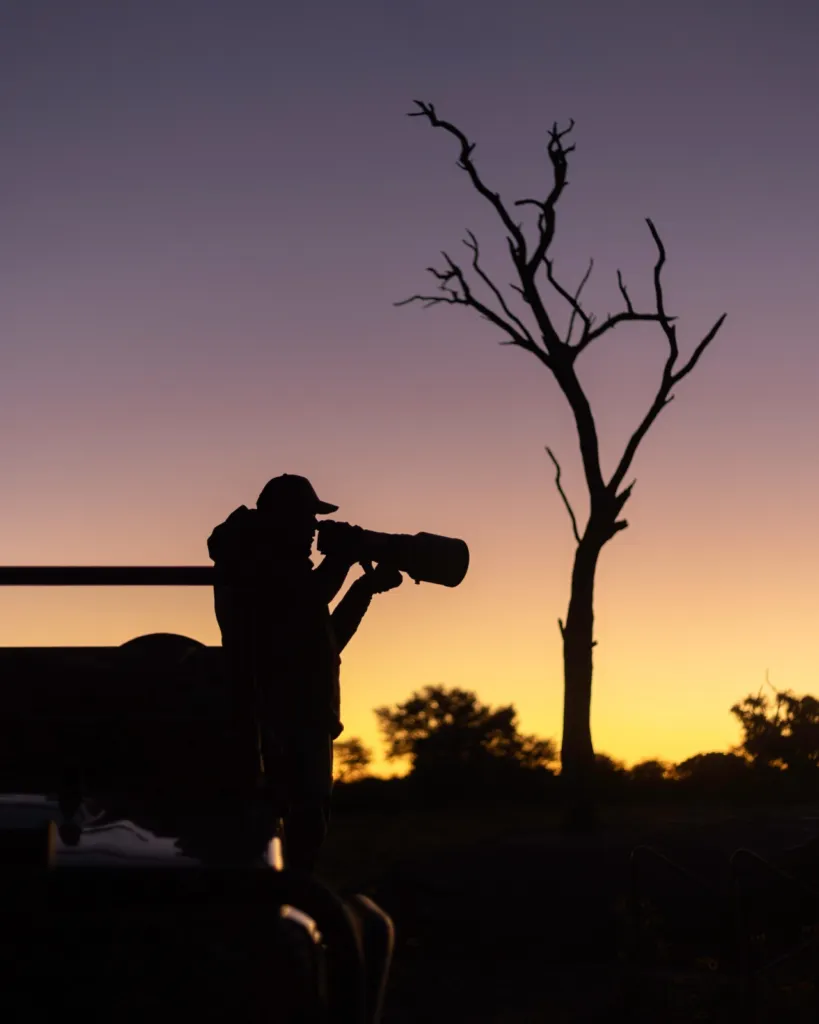
Photographer and dead tree silhouetted against a Kalahari dusk sky

Your host  ·  Photographic guide

Francois Fourie


A wildlife photographer and professional guide, Francois Fourie has spent years working across southern and East Africa. His guiding background gives him an instinctive feel for animal behaviour, knowing where to be and when, while his photographer’s eye turns those fleeting moments into images that tell the story of the wild.

Through Francois Fourie Safaris he has built a reputation for evocative imagery that moves people, supports conservation and speaks to discerning travellers around the world. In the field he is calm, patient and generous with his knowledge, and always focused on giving every guest the most rewarding photographic experience possible.

Above Africa Travel brings that experience to every journey. On our hosted photographic safaris Francois is beside you throughout, sharing his expertise, mentoring you behind the camera and turning each safari into an immersive, inspiring adventure.

Ask Francois a question  →

Before you travel

Safari questions

Do I need to be an experienced photographer?

No. Groups are kept small, so guidance is tailored to each person, from getting the most out of a first camera to advanced techniques for experienced photographers.

How fit do I need to be?

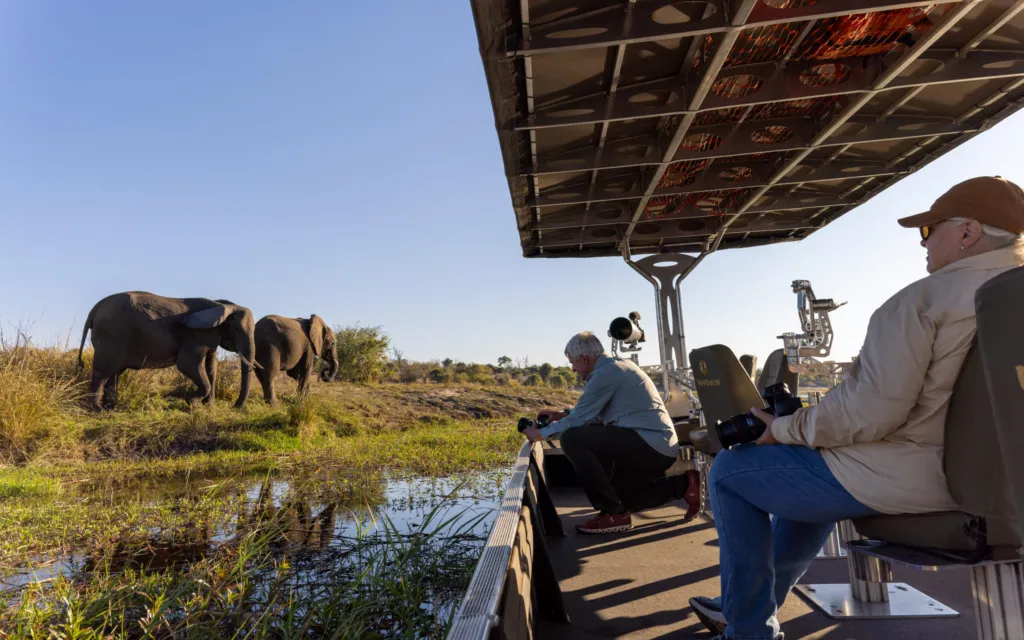
Most photography is done from specialised vehicles, boats or hides. Some safaris include optional walks with professional guides; a reasonable level of mobility is all that’s needed.

Are there luggage limits?

Light-aircraft transfers usually limit luggage to around 20kg per person, including camera equipment, in soft-sided bags. We’ll confirm the exact limits for your itinerary well before you travel.

What about visas and travel insurance?

Visa requirements depend on your nationality and the countries visited. Comprehensive travel insurance, including medical evacuation cover, is required for all guests. We’ll send a full pre-departure guide once you book.

How do I secure my place?

Send an enquiry using the form below. Francois will confirm availability and send booking details; a deposit secures your place, with the balance due before departure.

Still have a question? Ask Francois  →

Guest stories

What our guests say

Limited to 4 guests

Reserve your place


Interested in this safari? Send a quick enquiry and Francois will personally reply with availability, pricing and anything else you’d like to know.

Prefer email? travel@aboveafricatravel.com

By enquiring, you’ll also receive our occasional newsletter. This form is protected by reCAPTCHA. Google’s Privacy Policy and Terms apply.

Keep exploring

More photographic safaris

View all safaris  →